
Surface Treatment Options for Precision Machined Parts: Anodizing, Plating, Passivation
A comparison of the main surface treatments for precision machined parts - anodizing, electroplating and passivation - covering how each works, what it protects and how to specify it.
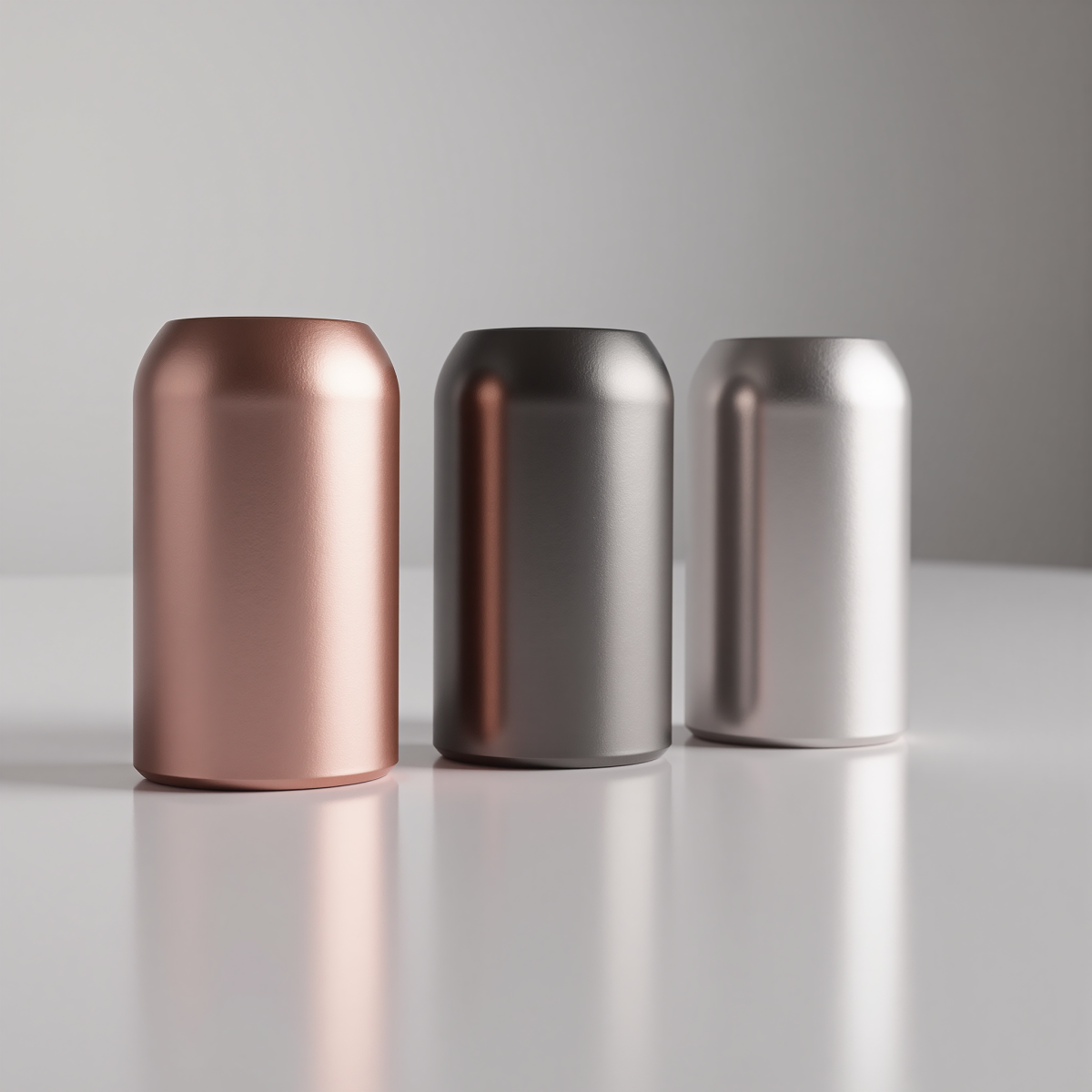
Machining sets the geometry of a part; surface treatment sets how it performs in service. A finish can add corrosion resistance, wear resistance, electrical behaviour or appearance, and the wrong choice can compromise dimensions or contact resistance. This overview compares the three most common treatments - anodizing, electroplating and passivation - as general industry practice. The specific treatment and its process control for any part should be confirmed against a specific enquiry.
Why Surface Treatment Matters
Most machined metals form a natural oxide layer that is thin and inconsistent. Surface treatment replaces or reinforces that layer in a controlled way. The engineering questions are always the same: what is the service environment, which property must be protected, and how much dimensional change can the part tolerate?
Because some treatments add or remove material, the finish interacts directly with the tolerance budget. This is why surface specification belongs in the drawing from the start, not as an afterthought.
Anodizing
Anodizing is an electrochemical process, used mainly on aluminium, that grows a controlled oxide layer on the surface. The layer is integral to the metal rather than applied on top, so it will not flake or peel in the way a coating can. Hard anodizing produces a thicker, denser layer with better wear resistance; colour anodizing produces a decorative and corrosion-resistant finish.
Key characteristics:
- Adds a controlled oxide that grows into the surface as well as outward.
- Improves corrosion and wear resistance, and can be dyed.
- Dimensional growth must be allowed for on tight features and threads.
- Electrical conductivity is reduced - a consideration for grounding faces.
Electroplating
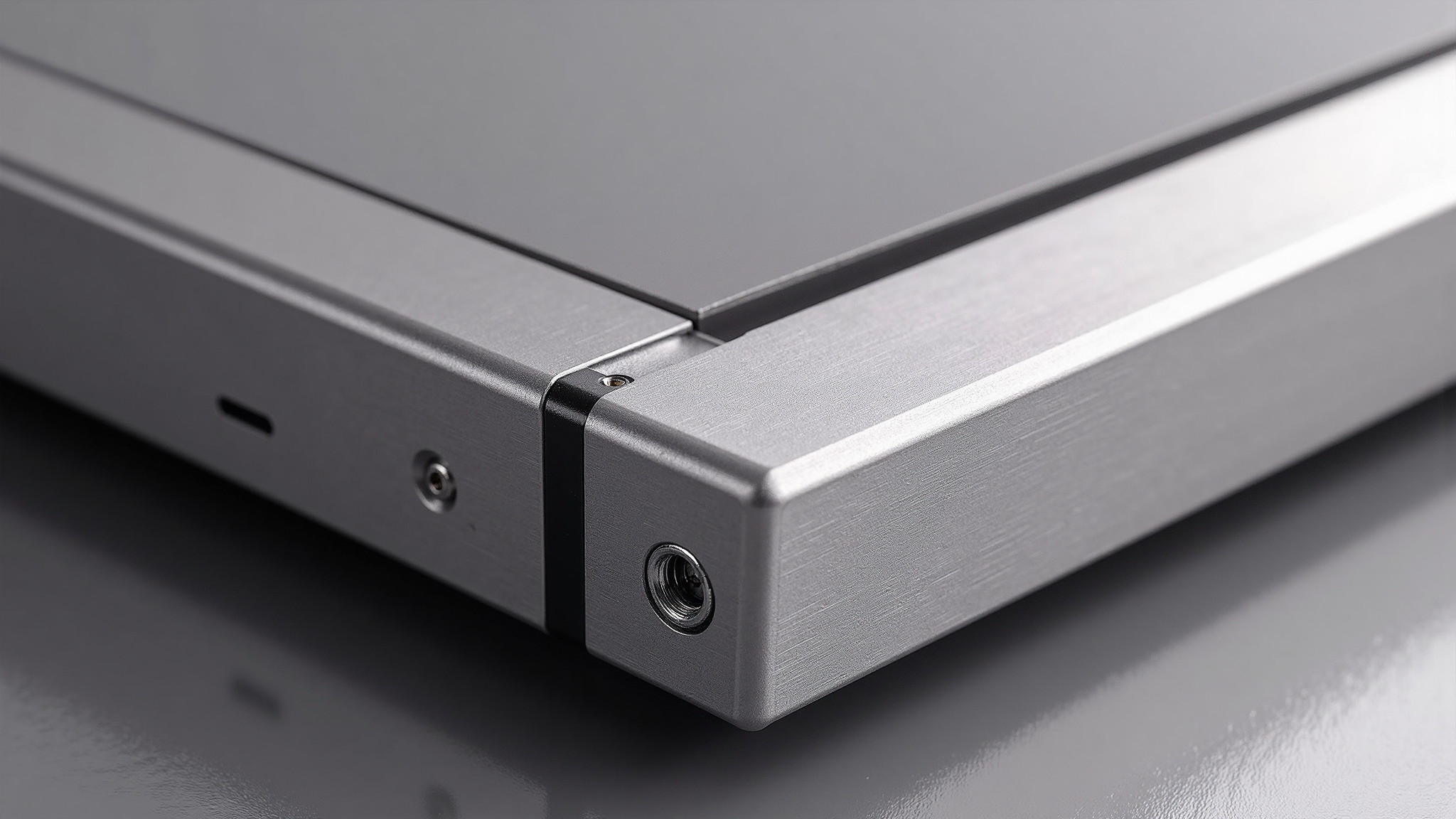
Electroplating deposits a thin metal layer - nickel, zinc, chrome, tin or others - onto the surface using an electric current. The deposit can improve corrosion resistance, wear resistance, solderability or appearance, and each plating metal brings its own trade-offs.
Common plating choices
- Zinc plating for general steel corrosion protection.
- Nickel plating for wear resistance and a uniform appearance.
- Hard chrome for surfaces that must resist abrasion.
- Tin for solderability and electrical contacts.
Plating adds a uniform layer over the whole part unless it is masked, so build-up on threads and close fits must be planned. Hydrogen embrittlement is a known risk for high-strength steels, and a post-plating bake is often specified to address it.
Passivation
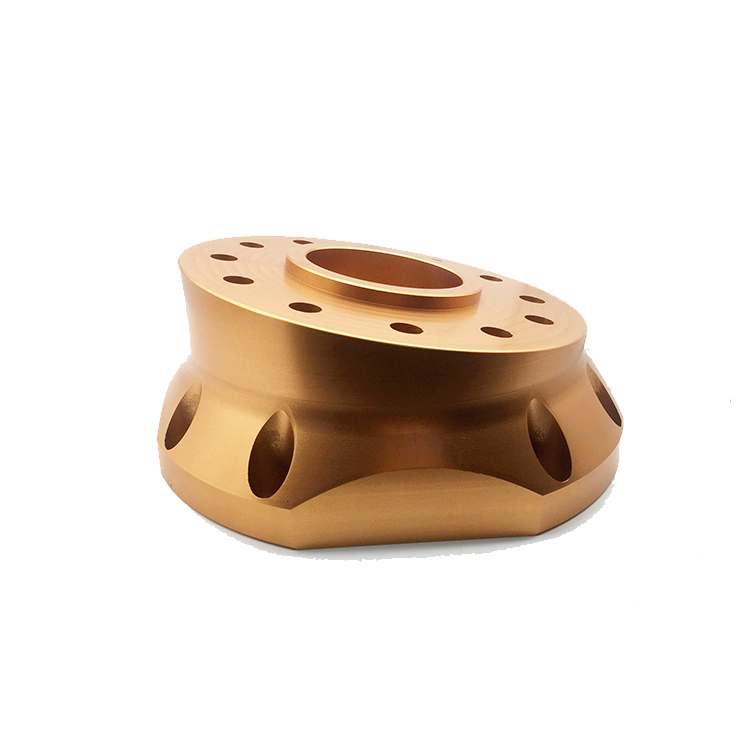
Passivation is a chemical treatment, most often applied to stainless steel, that removes free iron and other surface contamination so the natural protective oxide can form evenly. It does not add a coating; it cleans and stabilises the surface. The result is improved corrosion resistance without changing dimensions meaningfully.
Passivation is commonly specified for stainless parts after machining, when embedded iron from tooling can otherwise seed corrosion. It is a light-touch treatment compared with plating, and it preserves the appearance and conductivity of the base metal.
Choosing Between Them
| Treatment | Typical base metal | Main benefit | Dimensional effect |
|---|---|---|---|
| Anodizing | Aluminium | Corrosion and wear, colour | Adds a controlled layer |
| Electroplating | Steel, brass, others | Corrosion, wear, solderability | Adds a thin metal layer |
| Passivation | Stainless steel | Corrosion resistance, cleanliness | Negligible |
The deciding factors are the base metal, the service environment and the function of the surface. A stainless part rarely needs plating for corrosion; an aluminium part that must stay conductive may need masking; a steel part exposed to weather usually needs a barrier layer.
Specifying and Inspecting the Finish
- State the process and, where relevant, the standard it follows.
- Note the required layer thickness range and where it is measured.
- Mask or exclude threads and fits that cannot tolerate build-up.
- Define acceptance - colour, thickness, adhesion or salt-spray duration.
- Inspect incoming parts against the drawing before they enter assembly.
Surface treatment is a functional choice, not a cosmetic one. Treated as part of the design and inspection plan, it protects the part for its whole service life, and the final specification should be confirmed against a specific enquiry for the application in question.
Related Reading
How to Read a First Article Inspection Report (FAIR) Before Mass Production
A step-by-step guide to reading a First Article Inspection Report: what it contains, how to read a ballooned drawing, how to interpret pass and fail results, and the red flags to catch before mass production.
Read More