
5 Design Rules That Cut the Cost of CNC Machined Parts
Five design-for-manufacture rules that reduce CNC machining cost: fewer setups, tool-friendly geometry, sensible tolerances, the right stock and finishes chosen for function.
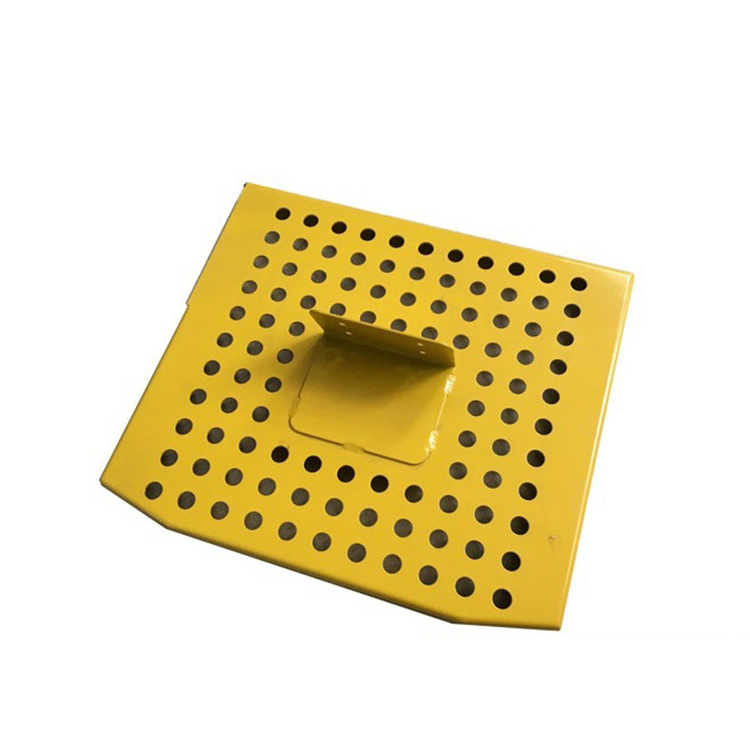
Most of the cost of a CNC machined part is decided on the drawing, long before a spindle turns. Design for manufacturing (DFM) is the practice of shaping a part so it can be produced in fewer, simpler operations. The five rules below cover the decisions that move cost the most. They reflect general industry practice, and the final manufacturability and quotation for any design should be confirmed against a specific enquiry.
Rule 1: Keep the Part to Fewer Setups
Each setup adds fixturing, handling, an alignment step and a chance for re-datum error. A part that can be machined from one side is nearly always cheaper than the same part requiring three orientations. Where practical, consolidate features onto accessible faces and design so that the datum can be established once.
When a part must be flipped, leave a machinable reference - a clean edge, a bore or a small boss - so the second setup can be located accurately.
Rule 2: Design With Standard Tool Geometry in Mind
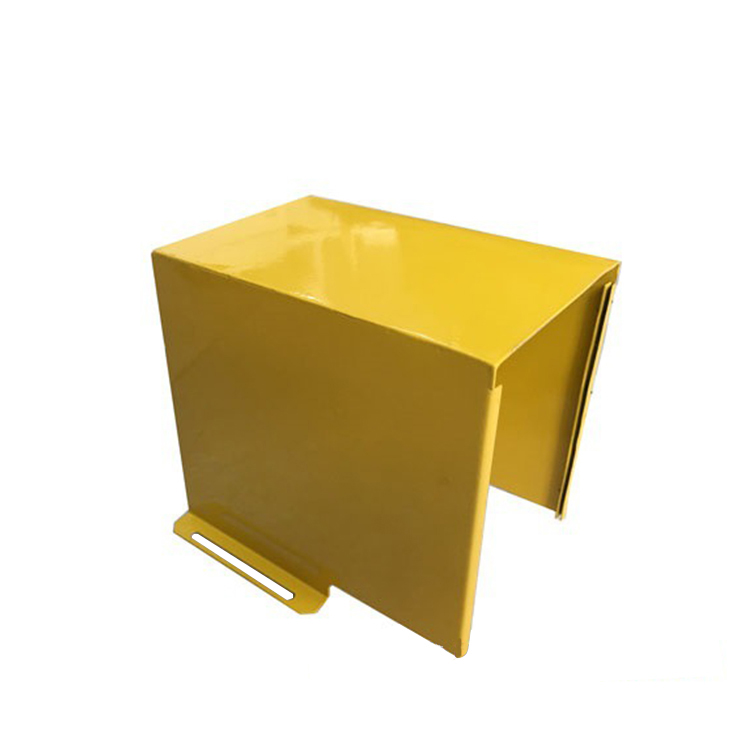
Cutters cut straight and turn in circles; they cannot reach into a sharp internal corner without a radius. Internal pockets should have a corner radius at least matching the radius of a standard end mill. Deep pockets should be avoided because a long, thin tool must run slowly to avoid chatter, which extends cycle time.
Tooling-friendly details
- Internal corners with a radius instead of a sharp vertex.
- Pocket depth limited to a few times the tool diameter where possible.
- Through features preferred over blind ones that trap chips.
- Threads specified to a standard size rather than a non-standard pitch.
Rule 3: Control Tolerances Only Where They Matter
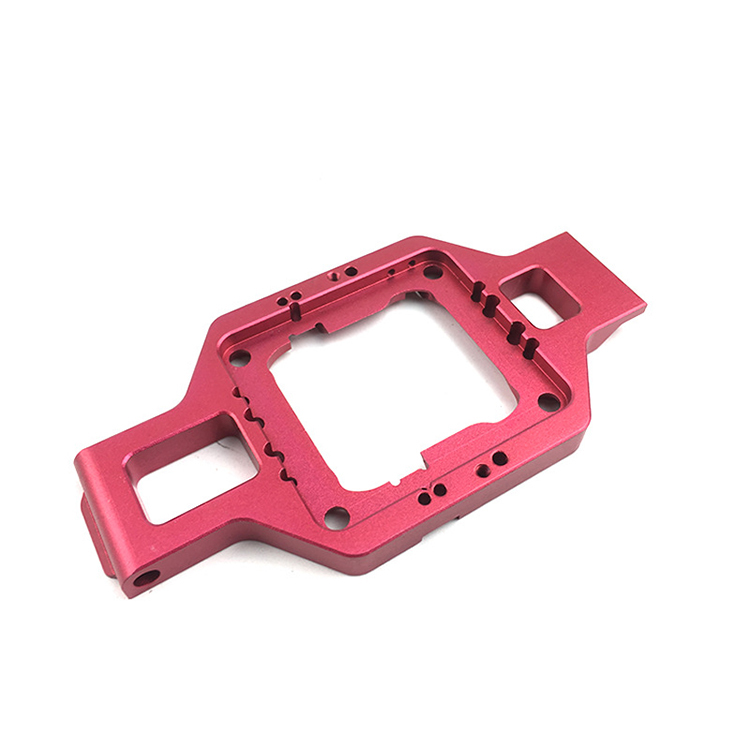
Tolerance is where cost hides most often. Every tight dimension may require a slower pass, extra inspection and a more careful setup. Specifying a blanket tight tolerance across the drawing rarely improves function but always raises cost.
Identify the few dimensions that actually govern fit, form or function and tighten only those. Leave the rest at a general tolerance that suits the process. Apply the same logic to surface finish: specify a fine finish only on sealing and sliding faces.
Rule 4: Choose the Right Material and Stock
Material choice affects both the machining rate and the raw stock cost. Free-machining grades cut faster and leave a better finish than tough alloys. Starting from a near-net stock shape - bar, tube, extrusion or casting - reduces the volume of material that must be removed.
| Cost driver | Design lever | Effect |
|---|---|---|
| Setup count | Consolidate features per face | Lower labour and rework |
| Reach and depth | Shallower pockets, larger radii | Faster, more stable cuts |
| Tolerances | Tighten only functional dimensions | Fewer slow passes, less inspection |
| Raw stock | Near-net shape, free-machining grade | Less removal, faster cutting |
| Finish | Specify by function | Shorter finishing cycle |
Rule 5: Specify Finishes That Fit the Function
Finishes add steps and therefore cost, so they should be chosen for a reason - corrosion resistance, wear, electrical contact or appearance. A decorative finish on an internal face adds nothing. Grouping parts that share a finish helps the supplier batch them, which is often cheaper than treating each part separately.
Where a finish such as anodising or plating is required, note the build-up on dimensions so that threads and tight fits are not compromised. This is the kind of detail that is cheap at the design stage and expensive after machining.
Putting the Rules to Work
- Review the drawing for features that force extra setups.
- Add radii to internal corners and limit pocket depth.
- Mark the functional tolerances and relax the rest.
- Select stock that is close to the finished shape.
- Justify every finish with a function.
Applied early, these five rules often remove the most expensive operations before the CAD model is frozen. Confirm the final design and quotation with the supplier, because fixture design and batch size can adjust the balance between the rules.
Related Reading
CNC Turning vs CNC Milling: Which Process Fits Your Part
How to decide between CNC turning and CNC milling based on part geometry, tolerance, surface finish and cost, plus the hybrid turn-mill routes that combine both.
Read More